Donation Counseling Clinic
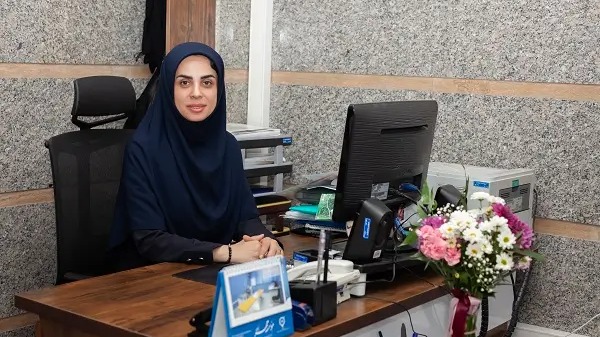
Egg and Embryo Donation and Surrogacy Counseling Clinic
For some couples, conventional fertility treatments, from ovulation induction to IVF and intracytoplasmic sperm injection (ICSI), do not lead to pregnancy or may be medically unsuitable from the outset. In these cases, using donated eggs or embryos, or pursuing gestational surrogacy, may be considered.
Alongside the medical considerations, this decision has psychological, family, religious, and legal implications. At Mehr Outpatient Surgical and Infertility Center, the process begins with a comprehensive consultation before any treatment takes place.
Donation Counseling Clinic Services
- Medical and Fertility Counseling
- Assessing the couple's fertility and determining whether donor eggs, donor embryos, or gestational surrogacy may be appropriate
- Assessing the physical and genetic health of donors and recipients
- Psychological Counseling
- Providing emotional support and assessing the couple's readiness for treatment involving donation
- Helping couples address identity and social issues related to raising a donor-conceived child
- Legal and Ethical Counseling
- Explaining the laws and regulations governing gamete donation, embryo donation, and surrogacy
- Preparing legal agreements between the relevant parties, including donors, recipients, and gestational carriers
- Donor and Gestational Carrier Selection
- Selecting a donor or gestational carrier based on relevant genetic and health factors
- Conducting screening to assess the health of gametes, embryos, and gestational carriers
- Follow-Up and Support After Treatment
- Monitoring the progress of the gestational carrier's pregnancy and the health of the fetus
- Providing medical and psychological counseling and support through the postpartum period
This page explains the options and steps so that couples know what to expect before making a decision. Suitability is determined after a full review of the couple's case and in accordance with current regulations in Iran.
When Are These Options Considered?
These options are considered when there is a specific medical indication. Common examples include:
- Premature ovarian insufficiency or severely diminished ovarian reserve
- Premature menopause or loss of ovarian function after surgery, chemotherapy, or radiotherapy
- Poor egg or embryo quality in previous IVF cycles
- Repeated failure of fertility treatment cycles despite standard treatment
- A genetic condition whose transmission to a child cannot be prevented
- Absence of the uterus, either from birth or after a hysterectomy, or a severe uterine abnormality
- A medical condition that would make pregnancy a serious risk to the woman's health
- Recurrent pregnancy loss or recurrent implantation failure with an identified uterine cause
By this stage, couples have typically undergone a full assessment at the Gynecology & Infertility Clinic and the Andrology Clinic. In some cases, an assessment at the Genetic Counseling Clinic also helps guide the decision.
Available Options
1. Egg Donation
A donor egg is fertilized in the laboratory with sperm from the recipient's partner. The resulting embryo is then transferred to the recipient's uterus. With egg donation, the recipient carries the pregnancy and gives birth herself.
Egg donation is typically considered when no usable eggs are available or egg quality prevents a healthy embryo from developing, provided the uterus is suitable for pregnancy.
2. Embryo Donation
An embryo that has already been created and made available for donation under applicable regulations is transferred to the recipient's uterus once the legal requirements have been met and medical eligibility has been confirmed.
Embryo donation is typically considered when both partners have significant fertility factors that make it difficult to create an embryo, and the recipient can carry a pregnancy.
Embryo donation in Iran is governed by a specific legal framework and requires formal procedures, including authorization from the competent legal authority. All required steps must follow the prescribed process and be completed before treatment. The details and required documents are explained during the consultation.
3. Gestational Surrogacy
An embryo created using the intended parents' egg and sperm is transferred to another person's uterus. The gestational carrier carries the pregnancy, and the child is genetically related to both intended parents.
Gestational surrogacy is considered when carrying a pregnancy is the medical concern. Examples include absence of the uterus, a severe uterine abnormality that cannot be corrected, or a medical condition that would make pregnancy dangerous to the intended mother's health.
This option involves the most coordination and documentation. It requires a contract and completion of the legal procedures before treatment begins. Couples are advised to complete these steps with guidance from a legal adviser before any medical procedure.
The Role of the Laboratory and Additional Assessments
All of these options involve medical and laboratory assessments before treatment. These include hormone tests, assessment of uterine readiness, infectious disease screening, serology, and genetic testing when indicated. These assessments are performed at Mehr Center's Laboratory.
Request a Consultation to Discuss Your Options
If previous fertility treatment cycles have been unsuccessful, or your physician has raised the possibility of donor eggs, donor embryos, or gestational surrogacy, you can request a consultation at Mehr Center in Rasht. The team will review your case and explain the steps involved. Attending together and bringing records from previous treatment helps the team assess your case more accurately and efficiently.
Page Information
Prepared by: The Content Team at Mehr Outpatient Surgical and Infertility Center
Scientific review: Dr. Sajedeh Samadnia, PhD student in epidemiology
This content is for general information. Seek qualified medical, psychological, legal, or religious advice when making decisions about these options. Any of the methods described may be pursued only after an individual assessment, at a licensed center, and in full compliance with current regulations in Iran. This page is not a call for donations or an invitation to become a donor.