Diabetes Clinic
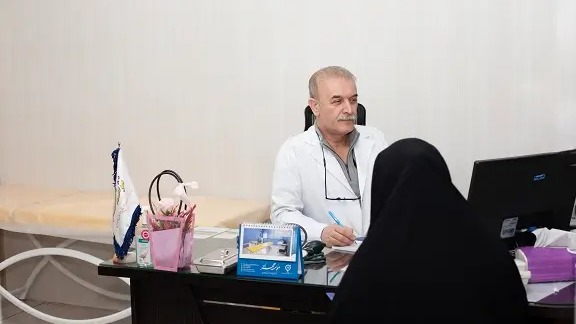
Mehr Center Diabetes Clinic in Rasht
Managing diabetes involves more than lowering blood glucose levels. Choosing appropriate treatment, nutrition, understanding how to use medications and insulin, and monitoring heart, kidney, eye, and foot health are all important aspects of diabetes care.
Mehr Center's Diabetes Clinic in Rasht provides diabetes management, lifestyle education, nutrition counseling, and insulin injection education. Diabetic wound treatment and cardiology consultations, including electrocardiography and echocardiography, are also listed among the clinic's services. The assessments and treatment needed for each patient are determined following a physician's evaluation.
Request a Diabetes Clinic Appointment
Contact Us for Clinic Availability
Opening Hours:
Every day from 9:00 a.m. to 12:00 noon
For Consultation and Further Information:
01333755353 Extension 135
When Should You Visit the Diabetes Clinic?
If you have recently been diagnosed with diabetes, your blood glucose is not controlled with your current plan, or you have questions about medications, insulin injections, or nutrition, a consultation can help establish an appropriate care plan. Seeking assessment is also important in the following circumstances:
- High blood glucose on laboratory testing or a diagnosis of prediabetes
- Excessive thirst and urination, unexplained weight loss, fatigue, blurred vision, or delayed wound healing
- Fluctuating blood glucose or repeated episodes of low blood glucose during treatment
- Numbness, tingling, blisters, or foot wounds
- Planning a pregnancy when you have diabetes, or elevated blood glucose during pregnancy
These symptoms alone do not establish a diagnosis of diabetes, and some people have no symptoms. The physician decides on testing and further assessment based on the individual's circumstances.
If you experience reduced consciousness, seizures, shortness of breath, or persistent vomiting with high blood glucose, do not wait for a clinic appointment; seek emergency care.
Services at Mehr Center's Diabetes Clinic
Consultation and Diabetes Management Planning
During a diabetes consultation, laboratory results, home blood glucose records, current medications, a history of low blood glucose, and coexisting conditions are reviewed. Treatment targets and follow-up intervals are not the same for everyone and should be tailored to each individual.
The care plan may include dietary and physical activity changes, prescribing or adjusting medications, and education on blood glucose monitoring. Changes to medication or insulin doses should follow the physician's plan.
Blood Glucose Management and Lifestyle Education
Education helps patients understand when to check their blood glucose, how to record results, and when to contact the treatment team. Recognizing the signs of low blood glucose, understanding the effects of physical activity, and managing treatment during illness are also important educational topics.
If anxiety or difficulty accepting and managing the condition arises, psychological support may be included in the care plan on the treatment team's advice.
Education on Correct Insulin Injection Technique
If you have been prescribed insulin, learning the injection technique, rotating injection sites, storing the medication, and using the injection device correctly is important. You should also know which plan to follow if your blood glucose drops or you miss a dose. These instructions should be tailored to your insulin type and circumstances; another person's prescription is not a substitute for your treatment plan.
Nutrition and Meal Planning for Diabetes
Your meal plan should take into account your medications, weight, daily activity, eating habits, and coexisting conditions. The amount and distribution of carbohydrates across meals and appropriate food choices are among the topics addressed during nutrition counseling.
A single diet is not suitable for everyone with diabetes; pregnancy and kidney disease, in particular, require additional dietary considerations. Information about related services is available on Mehr Center's Nutrition & Diet Therapy Clinic page.
Diabetic Foot Care and Wound Treatment
In diabetes, reduced foot sensation or impaired blood supply can delay the detection of injuries or make wounds difficult to heal. Early wound assessment and foot care education are important.
Diabetic wound treatment is among the services listed by Mehr Clinic. A treatment plan is determined after examining and assessing the wound, with referral for vascular assessment, infection evaluation, or specialist procedures when necessary.
Take any new wound, redness, warmth, discharge, or discoloration of the foot seriously, even without pain. Blackened tissue, fever, or rapidly spreading inflammation requires urgent assessment. Avoid cutting calluses or attempting to treat wounds yourself at home.
Cardiology Consultation, Electrocardiography, and Echocardiography
Managing blood pressure and blood lipids alongside blood glucose is part of diabetes care. Specialist cardiology consultations, electrocardiography, and echocardiography are included in the clinic's current service list. The need for each assessment depends on symptoms, medical history, and the physician's judgment; not every patient needs all of these assessments at every visit.
Assessments Before Starting or Changing Treatment
The physician may use fasting blood glucose, HbA1c, or, in specific circumstances, a glucose tolerance test to diagnose or monitor diabetes.
HbA1c reflects average blood glucose over approximately the previous three months, but its interpretation has limitations in certain circumstances. A diagnosis is not made from a single reading on a home blood glucose meter.
Every patient with diabetes needs a retinal examination by an ophthalmologist at least once a year.
Blood pressure, blood lipids, kidney function, urine albumin, foot health, and the need for an eye examination may also be included in follow-up care. The type and timing of these assessments depend on the type and duration of diabetes and the individual's circumstances; this does not mean that all services are performed within the clinic.
Diabetes Before and During Pregnancy
If you have diabetes and are planning a pregnancy or infertility treatment, discuss blood glucose management and the suitability of your medications with your physician before proceeding. Blood glucose targets and some treatments differ during pregnancy, requiring coordination between diabetes and obstetric care.
Gestational diabetes differs from pre-existing diabetes. Blood glucose testing during pregnancy, meal planning, glucose monitoring, and any need for medication should be supervised by the treatment team. Follow-up is also needed after delivery, even if blood glucose returns to the normal range.
Arranging Your Visit and Documents to Bring
1. Use the appointment request page or contact reception to confirm the clinic schedule and arrange the service you need.
2. Bring previous laboratory results, a list of medications and doses, blood glucose records, and reports of cardiac, eye, or kidney assessments. If you use insulin, note its exact name and your injection times.
3. During the consultation, your blood glucose control, current concerns, and necessary investigations are assessed. Obtain your treatment plan and follow-up schedule from the physician, and ask about anything you do not understand.
Fasting is not required simply to attend a consultation. If a specific test has been requested, obtain preparation instructions from the laboratory or physician. Do not stop or change the timing of medications or insulin on your own in order to fast.
The Diabetes Clinic Treatment Team
The clinic's current description lists collaboration with an internist, cardiologist, general practitioner, nutritionist, and psychiatrist. Appointments with each team member are arranged according to the patient's needs and the clinician's availability.
When booking, ask reception for the physician's name, professional title, and clinic days. For problems requiring subspecialist assessment or services outside the clinic's scope, the referral pathway is determined on the physician's advice.
Diabetes Consultation Costs and Insurance Coverage
Costs depend on the type of consultation and services needed, such as nutrition counseling, cardiac assessment, or wound care. Laboratory tests, medications, and blood glucose monitoring supplies may also involve separate costs.
Insurance coverage is not the same for every service. Before your visit, ask Mehr Center Reception about service fees, accepted insurance plans, required documents, and whether documentation can be provided for supplementary insurance.
Why Choose Mehr Center's Diabetes Clinic?
Diabetes care may require medical consultations, education, nutrition counseling, cardiac assessment, or wound care. Offering these services at Mehr Clinic allows related care to be coordinated according to each patient's needs. The aim is a care plan that patients can follow, with an understanding of how to use their treatment, when to return, and which symptoms require earlier attention.
The degree of blood glucose control depends on the condition, treatment, and ability to follow the plan. Promises of a permanent cure or identical results for all patients are not a sound basis for choosing a center.
Frequently Asked Questions
Do I need a confirmed diabetes diagnosis to attend?
No. Abnormal blood glucose results or suspected diabetes also warrant assessment. The physician determines whether confirmatory testing or follow-up is needed.
Does everyone with diabetes need insulin?
No. Treatment depends on the type of diabetes and the individual's circumstances. Insulin is essential in type 1 diabetes; in type 2 diabetes or gestational diabetes, the need for insulin is determined by the physician's assessment.
Can I stop medication once my blood glucose becomes normal?
Normal blood glucose may be the result of effective treatment. Stopping or reducing medication should be guided by the physician and based on blood glucose trends and laboratory results.
Does everyone need electrocardiography and echocardiography?
All patients with diabetes need a specialist cardiovascular consultation, electrocardiography, an exercise stress test, and echocardiography at least once a year.
Does gestational diabetes require follow-up after delivery?
Yes. Blood glucose returning to normal after delivery does not remove the need for further assessment. Ask your physician about the timing of testing and ongoing monitoring.
Is a home blood glucose meter sufficient to diagnose diabetes?
No. These devices are used for monitoring; diagnosing diabetes requires laboratory testing and interpretation by a physician.
Book a Diabetes Clinic Appointment in Rasht
Contact Mehr Center to arrange a diabetes consultation, insulin education, nutrition counseling, or to ask about appointments for cardiac services and wound care. Bringing previous laboratory results and medical records supports a more accurate assessment and follow-up plan.
Address: Rasht, Shahid Ansari Blvd., Ershad St., Mehr Outpatient Surgical and Infertility Center.
Request an Appointment
Contact Information and Directions
Medical Information About This Page
Prepared by: Mehr Center Content Team
Medical review: Dr. Iraj Ramazani
This content is for general information and does not replace assessment, diagnosis, or treatment by a physician.
Medical Sources