Andrology Clinic
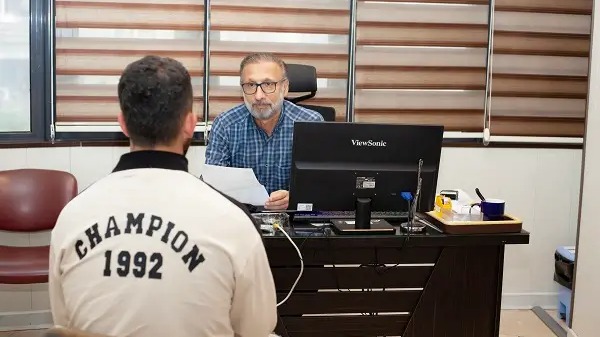
Male Infertility and Andrology Clinic in Rasht
At Mehr Center's Male Infertility and Andrology Clinic, the diagnostic and treatment pathway for male infertility is determined by medical history, specialist examination, semen analysis results, and additional tests when needed. Since fertility depends on both partners, male and female assessments should generally be coordinated without placing blame on either partner.
Book an Appointment
First Visit Guide
Male Infertility Clinic Services at a Glance
- Urology and male infertility consultations and review of reproductive history;
- Assessment of semen analysis results
- Investigation of infertility causes, such as varicocele, infection, azoospermia, and hormonal problems...
- Infertility-related procedures, including varicocele surgery, testicular biopsy, and sperm retrieval using PESA, TESE, or Micro-TESE
- Sperm freezing for fertility preservation or use in assisted reproductive treatment;
- Assessment of hormonal disorders, ejaculatory problems, and sexual function issues related to fertility;
- Coordination with assisted reproductive treatments such as IUI, IVF, and ICSI, based on both partners' circumstances.
What Is Andrology, and Which Problems Does It Address?
Andrology is a field of medicine concerned with male reproductive health and sexual issues. An andrological assessment considers the patient's main concern, medical and reproductive history, examination of the reproductive organs and testicles, current medications, underlying medical conditions, and, when necessary, hormonal or genetic factors.
When Should You Seek a Male Infertility Assessment?
Infertility is generally defined as not achieving pregnancy after 12 months of regular intercourse without contraception. However, an earlier male assessment may be appropriate in certain circumstances:
- Older age of the partners
- A history of conditions affecting fertility, such as varicocele
- Testicular torsion, undescended testicles, or chemotherapy
- Difficulties with sexual intercourse
- A personal preference for assessment before one year
- Erectile dysfunction, ejaculatory problems, or a noticeable decrease in sexual desire
In these circumstances, the timing of assessment should be determined by the couple's situation and the physician's advice; waiting 12 months may not be necessary.
The Male Infertility Diagnostic Pathway at Mehr Clinic
The purpose of assessment is to investigate possible causes of infertility while minimizing unnecessary procedures. Each patient's pathway is different, but it usually includes the following stages:
1. Consultation and Medical History Review
During the first consultation, the physician reviews how long the couple has been trying to conceive, previous pregnancies or children, past illnesses and surgeries, infections, current medications and supplements, occupational exposures, lifestyle, sexual function, and previous treatment outcomes. A specialist examination can also provide information about testicular size and consistency, the epididymis, the sperm transport ducts, and the presence of a varicocele.
2. Semen Analysis and Interpretation
Semen analysis generally assesses sperm count, concentration, motility, morphology, and semen volume. The laboratory's instructions for sample collection and transport should be followed. Since sperm parameters can vary between samples, the physician may request a repeat test if the results are abnormal. Some of the required investigations can be performed at Mehr Center's Laboratory, as requested by the physician.
3. Additional Investigations When Needed
Depending on the medical history, examination, and semen analysis results, hormonal tests, ultrasound, genetic testing, or additional sperm tests may be considered. These tests are not necessary for everyone, and their findings are valuable when they can influence treatment decisions. Genetic counseling may also be recommended in relevant cases.
4. Concurrent Assessment of the Female Partner
Selecting treatment for male-factor infertility without considering the female partner's age, ovarian reserve, fallopian tube status, and other fertility factors can delay effective treatment. When needed, assessment of the female partner is arranged through the Gynecology & Infertility Clinic.
5. Developing a Treatment Plan Suited to the Couple
After reviewing the findings, the physician determines whether treating an underlying cause, monitoring and repeat testing, surgery, sperm retrieval and freezing, or IUI, IVF, or ICSI is most appropriate. The treatment plan should consider limitations, potential benefits, and the time available to the couple.
Male Infertility Treatment Options
There is no single treatment for male infertility. Treatment depends on the cause of the problem, the severity of sperm abnormalities, whether the underlying factor can be corrected, and the female partner's fertility status.
Addressing Modifiable Factors
Treating infections, making lifestyle changes such as stopping smoking and tobacco use, managing weight, avoiding anabolic steroids and harmful medications, and reducing harmful exposures may form part of the care plan. The effect of each change on fertility outcomes depends on the individual's circumstances. Taking medications, supplements, or herbal products to “improve sperm” without medical advice is not recommended.
Adjunctive medication may be used when testing shows no specific abnormalities and no clear cause has been identified.
Treating Hormonal Disorders
Hormonal treatment is considered only when a specific disorder has been diagnosed. Taking exogenous testosterone or hormonal medications without medical supervision can reduce sperm production and is not a general infertility treatment for men who wish to conceive.
Varicocele Treatment
In men with a palpable varicocele, infertility, and abnormal semen analysis results, surgery may be considered after assessing the couple's circumstances. Varicocele surgery, or varicocelectomy, is not necessary in every case, and improvements in sperm parameters or pregnancy cannot be guaranteed for any individual.
Treating Obstruction or Reversing a Vasectomy
Surgical reconstruction may be considered for certain obstructions in the sperm transport ducts. Vasovasostomy is used to reconnect the vas deferens after a vasectomy or in some cases of obstruction. The time since the obstruction occurred, tissue condition, and the female partner's fertility status influence the choice between reconstructive surgery and sperm retrieval.
Sperm Retrieval in Azoospermia
In some men with azoospermia, it may be possible to find and retrieve sperm from the epididymis or testicular tissue. The choice between PESA, TESE, and Micro-TESE depends on whether the azoospermia is obstructive or non-obstructive and on the medical findings. In some cases, a testicular biopsy may also be considered to examine the tissue or retrieve sperm. These procedures do not guarantee that sperm will be found, and the likelihood of success should be explained before surgery based on the individual's case.
Assisted Reproductive Treatments
If suitable sperm is available in the semen or following retrieval, treatment is selected according to sample quality and the female partner's circumstances. IUI
may be an option for some milder abnormalities. For more severe male-factor infertility or when retrieved sperm is used, microinjection, or ICSI, may be recommended.
Sperm Freezing and Male Fertility Preservation
Sperm freezing may be considered before chemotherapy or radiotherapy, certain surgeries, a potential decline in fertility, or to store a sample needed for assisted reproductive treatment. The suitability of a sample for freezing and its quality are determined through laboratory assessment, and future use should be coordinated with the treatment team.
What Factors Affect the Success of Male Infertility Treatment?
Treatment outcomes depend on the cause and severity of the male factor, sperm production and the quality of retrieved sperm, the female partner's age and fertility status, the assisted reproductive method, and previous treatment history. Normal test results do not guarantee success, so treatment effectiveness should be assessed using measures relevant to the particular couple's circumstances.
Fertilization or pregnancy cannot be guaranteed for any couple.
Physicians at the Male Infertility and Andrology Clinic
To choose a physician and arrange a visit, view the current list of Mehr Center's urology and male infertility physicians, their areas of practice, and their clinic schedules.
View Physicians and Book an Appointment
Why Choose Mehr Center's Male Infertility Clinic?
Diagnosing and treating male-factor infertility may require collaboration between urology, andrology, the laboratory, genetics, surgery, and the female infertility treatment team. At Mehr Outpatient Surgical and Infertility Center, coordination between these departments and assisted reproductive services is available according to each case's needs. This structure can help make the couple's assessment and referral pathway more coordinated; however, each test, surgery, or assisted reproductive method is selected only after an individual assessment.
Mehr Center has an Operating Room and Inpatient Wards. If a surgical procedure is approved, the type of surgery, method of anesthesia or local anesthesia, duration of care, and need for admission are determined individually. Information about patient safety, patients' rights, and the center's standards is also available on the Accreditation & Quality Improvement page.
Frequently Asked Questions
Does an Abnormal Semen Analysis Mean Definite Infertility?
No. Reference ranges in semen analysis are based on statistical data. Fertility depends on several factors, including the female partner's fertility status, and results should be interpreted in that context. A single sample is also usually insufficient for a final decision, and the physician may recommend repeating the test.
Does Male Infertility Always Have Noticeable Symptoms?
No. Many men have no visible symptoms or sexual dysfunction, and the problem becomes apparent only during fertility testing and assessment. Conversely, sexual dysfunction does not necessarily indicate a problem with sperm production.
Can Azoospermia, or a Zero Sperm Count, Be Treated?
The answer depends on the cause. Obstructive and non-obstructive azoospermia follow different treatment pathways. In some cases, treating the underlying cause, reconstructing the sperm transport ducts, or retrieving sperm may be considered; however, finding sperm or achieving pregnancy cannot be guaranteed.
Does Everyone with a Varicocele Need Surgery?
No. The size of the varicocele, pain, semen analysis results, duration of infertility, and the female partner's fertility status influence the decision. A varicocele detected only on imaging or associated with normal semen analysis results does not necessarily require surgery.
Are Supplements or Sperm-Enhancing Medications Effective for Everyone?
No. Reduced sperm quality has various causes, and no supplement or medication is suitable for everyone. Taking them without medical advice can delay diagnosis of the underlying cause or lead to interactions with other medications.
Does Taking Testosterone Improve Male Fertility?
No, not as a general infertility treatment. Exogenous testosterone can suppress sperm production. Men who wish to have children should consult a physician before starting or stopping any hormonal medication.
What Documents Should We Bring to the First Visit?
Results of all semen analyses, hormonal or genetic tests, ultrasound and surgical reports, records of IUI or IVF, and a list of current medications, supplements, and hormones can help guide more informed decisions. If possible, also bring records related to the female partner's assessment.
IUI, IVF, or ICSI: Which Is More Suitable for Male-Factor Infertility?
The choice depends on the severity of sperm abnormalities, whether sperm can be obtained, the female partner's age and fertility status, and previous treatments. IUI may be considered in some milder cases, while IVF combined with ICSI is generally considered for more severe male factors or retrieved sperm.
Are All Stages of Assessment and Treatment Performed at Mehr Center?
Mehr Center has departments and services including the Andrology Clinic, laboratory, genetics, assisted reproduction, operating room, and inpatient care. The services needed for each case are determined after assessment. If an investigation or service outside the center's scope is required, an appropriate referral will be arranged based on the physician's advice.
Begin Your Male Infertility Assessment
If your semen analysis results are abnormal, you have a history relevant to fertility, or pregnancy has not occurred within the expected time, you can book an appointment at Mehr Center's Male Infertility and Andrology Clinic in Rasht. Bringing previous results and records helps the physician plan the assessment more precisely and avoid repeating unnecessary procedures.
Book an Appointment
Contact Mehr Center
Medical Information About This Page
Prepared by: Mehr Center Content Team
Medical review Dr. Rahim Tavakolnia, Urologist
This content is for general information and does not replace assessment, diagnosis, or treatment by a physician.